
Are you looking for practical ways to live frugally and save a lot of money in 2026? If so, you’re in the right place.
No matter what your financial goals look like—paying off debt, building an emergency fund, or finally taking that dream vacation—you’ll find plenty of doable ideas here to help you save money without feeling deprived.
Living frugally doesn’t mean cutting out every little joy or doing anything extreme. It’s really about being more intentional with your money and making choices that support what matters most to you.
For my family, that mindset became especially important when we decided to move from Puerto Rico to the Philippines. We knew going in that we’d need to be smart and strategic with our finances.
Between settling into a new home, buying a car, and getting ready for our son’s schooling, our expenses changed quickly. It forced us to plan carefully, adjust our spending habits, and stay committed to living within our means.
The good news is there are so many ways to save money and still enjoy life. If you’re ready to embrace frugal living and start putting more toward your bigger goals, you’re going to love the tips below.
Let’s make this the year you take control of your finances—without giving up the life you enjoy.
What Is Frugal Living, Really?
Table of Contents
But first—let’s talk about what frugal living actually means.
When a lot of people hear the word frugal, they immediately cringe or laugh, picturing a life of constant sacrifice or extreme penny-pinching. And honestly? I used to think that too.
So let me clear this up right away: frugal living is NOT about cutting out every single purchase or making yourself miserable just to save money.
Instead, frugal living is about avoiding wasteful and unnecessary spending so the money you work so hard for actually goes toward things that truly matter to you.
So what does being frugal really look like?
It means getting clear on your priorities—and letting go of the stuff that doesn’t deserve your time, money, or energy.
It might mean cutting back in a few areas so you can free up cash for bigger goals, like paying off debt, taking family vacations, or saying yes to experiences that actually bring you joy.
And just to be clear—frugal and cheap are not the same thing.
Being cheap is about spending as little as possible, even if it means buying low-quality items that don’t last. Frugal living is about spending intentionally and getting real value for your money.
If you’re ready to learn practical frugal living tips that actually work in real life (especially as a busy mom), you’re in the right place.
Let’s dive in!
And trust me—you’ll want to save these frugal living tips. Be sure to pin this post on Pinterest or bookmark this page so you can come back to it anytime.
Frugal Living Tips to Save Money on Food or Groceries

1. Brown Bag Your Lunch
If you’re spending around $10 on lunch, five days a week, that’s roughly $2,500 a year—just on midday meals. Ouch.
One of the easiest ways to save that money? Start bringing your lunch from home.
Yes, it takes a little planning, but the savings add up fast. Stick with simple, budget-friendly meals like pasta, soups, salads, or casseroles that you can make in bulk. A little weekend meal prep can make weekday mornings so much easier—and it keeps you from being tempted by takeout when you’re tired or short on time.
Your wallet (and future self) will thank you.
2. Choose Generic
I get it—we all have a few name-brand items we swear by. And that’s totally fine. But for a lot of everyday items, store brands work just as well for way less money.
Things like cleaning supplies, laundry detergent, toothpaste, pasta, spices, and even diapers often have generic versions that cost significantly less with no noticeable difference in quality.
Generic medications are another easy win. According to the FDA, they meet the same safety and quality standards as name-brand drugs but typically cost 80–85% less. That’s huge.
Being flexible and choosing generic when it makes sense is a simple way to stretch your budget without feeling like you’re sacrificing anything.
3. Don’t Skip Breakfast
Skipping breakfast might seem like a money-saver, but it often leads to bigger (and more expensive) lunch choices later.
A filling breakfast—think oatmeal, cereal, eggs, toast, or a bagel with coffee—takes just a few minutes to make and costs very little. Plus, it keeps your energy up and helps you avoid last-minute fast food runs.
It’s one of the simplest frugal habits that actually works.
Related: 15 Cheap Breakfast Ideas for When Money is Tight
4. Designate a Zero Waste Week
If you want frugal living tips that can save you hundreds—maybe even thousands—of dollars a year, start with food waste.
Here’s a wild stat: U.S. households throw away 150,000 tons of food every single day. And that’s not just food—it’s money straight into the trash.
A simple way to cut back? Choose one zero-waste week each month. During that week, your goal is to eat what you already have and use up everything you buy.
Here’s how to make it work:
- Get creative with leftovers: Turn last night’s dinner into today’s lunch or remix leftovers into a new meal.
- Use what’s expiring first: Check your fridge and pantry and plan meals around items that need to be used soon.
- Store food properly: Airtight containers can keep food fresh longer and prevent spoilage.
- Plan before you shop: Make a meal plan and grocery list so you’re only buying what you’ll actually use.
This one habit alone can help you save up to $1,000 a year—and it’s better for the planet, too.
If you’re looking for frugal living ideas that make a noticeable difference fast, tackling food waste is the perfect place to start.
Need help with meal planning? I highly recommend The $5 Meal Plan. For just $5 a month, Erin creates weekly meal plans where meals cost around $2–$5 per family. It’s such an easy way to save money on groceries. You can even try it free for 14 days and get two weeks of meal plans at no cost.
5. Get FREE lattes
I know—giving up your daily latte feels impossible. And honestly, you don’t have to.
There are legit ways to get free Starbucks gift cards, which means free coffee without the guilt.
Rewards sites like Swagbucks, InboxDollars, and MyPoints let you earn gift cards or cash for super simple tasks like answering surveys or watching short videos. I regularly use these sites to grab Starbucks—and Amazon—gift cards.
It’s an easy way to keep your coffee habit without blowing your budget.
I've used these sites to get Amazon gift cards, too!
And they also offer a $5 Sign-Up Bonus!
Important: After signing up, make sure to check your inbox and verify your e-mail address on the e-mail sent to you by these sites to get the bonus!
Easiest Ways to Make Money Online
- Swagbucks - Get paid to answer surveys, watch videos or shop online! Get a welcome bonus here for just signing up!
- Survey Junkie - Answer short surveys and get paid through PayPal, bank transfer or gift cards! Join Survey Junkie.
- MyPoints - Earn points to read emails, answer surveys, shop online, or play games and convert your points into cash. Get up to $10 bonus with your first purchase.
- InboxDollars - Get paid to answer surveys and more. Get $5 free for joining here.
- Buy groceries for other people and get paid for it. Become an Instacart shopper here and get paid up to $16.49 per hour!
- Branded Surveys- Get paid instantly by answering simple questions. Join now!
- Looking for a job? FlexJobs is my recommended job site for flexible, work-from-home jobs. Get an exclusive discount of up to 30 percent off with the promo code FLEXLIFE.
6. Invest in a Coffee Machine
If doing surveys for free coffee isn’t your thing, this tip is for you—invest in your own coffee machine.
That’s exactly what I did, and I haven’t looked back. Having a coffee maker at home means I can enjoy fresh coffee anytime without spending $4–$6 a cup or running out the door first thing in the morning.
And honestly? I like my homemade coffee better than Starbucks or most cafés. I can make it exactly how I like it, in my pajamas, and save a ton of money at the same time. Total win-win.
This is the machine I use—and I absolutely love it.
7. Invest in an Instant Pot and Cook More at Home
If eating out is eating up a big chunk of your budget because you’re always tired or feel like you have no time to cook (been there!), an Instant Pot can be a total game changer.
With the push of a button, you can have dinner cooking while you focus on literally anything else. There are also tons of cheap Instant Pot dump recipes online, so you’ll never run out of easy, budget-friendly meal ideas.
On busy days, I love using the slow cooker option—just toss everything in the pot in the morning, turn it on, and come home to a hot meal already waiting.
Not sure if it’s worth it? I have a detailed Instant Pot review where I break down the pros and cons to help you decide.
You can also check out the best Instant Pot deals here.
8. Create a Shopping List and Stick to It!
This one sounds simple, but it works.
Shopping with a list (and actually sticking to it) helps you avoid impulse buys, overspending, and food waste. Try it for just one month, and you’ll probably be shocked at how much money stays in your account.
Simple habit. Big impact.
9. Buy Fresh In-Season Produce
Planning meals around in-season produce is an easy way to save money on groceries. Seasonal fruits and veggies are usually cheaper, fresher, and taste better.
You can even buy them in bulk and freeze, can, or pickle them for later. That way, you’re enjoying berries in the middle of winter or Brussels sprouts in July—without paying premium prices.
Here’s a seasonal produce guide to help you know what to buy right now.
10. Start a Vegetable or Herb garden
I love gardening—not just because it’s relaxing, but because it saves us money, too.
I always grow tomatoes, ginger, spring onions, rosemary, and cilantro. They’re easy to grow, don’t require much space, and replace items I’d otherwise buy over and over at the store.
Even a small container garden can make a difference.
11. Eat More Vegetables
Meat is expensive—there’s no way around it. Cutting back just a little and adding more vegetables to your meals can seriously lower your grocery bill.
You can stretch ground beef by adding beans, lentils, or seasonal veggies, or simply use smaller portions of meat in things like tacos, stir-fries, and salads.
It’s one of the best frugal living habits—and your body will thank you, too.
Need ideas? Check out this list of delicious dirt-cheap meals, where most recipes cost around $5.
12. Buy in Bulk (When It Actually Makes Sense)
If you know you’ll use an item, buying in bulk can be a great money-saver.
We stock up on staples like rice, garbage bags, and tomato sauce because we use them regularly. For example, buying tomato sauce in bulk at Sam’s Club saves me about $0.25 per can—over $5 per box.
Just remember: buying in bulk doesn’t automatically mean you’re saving money.
Always check the unit price to make sure you’re actually getting the best deal.
13. Save Up to 15% with Amazon Subscribe & Save
For items you buy regularly—like coffee, detergent, sugar, or cleaning supplies—Amazon Subscribe & Save can help you save up to 15%.
You’ll save money and skip extra store trips, which also saves gas (and sanity). I use it for things that are either expensive or hard to find locally, like low-carb sweeteners or certain Asian pantry staples.
You can load up your Subscribe & Save cart here.
14. Save $50 a Month by Skipping Bottled Water
Buying bottled water can cost at least $50 per person per month—and even more for larger families.
Switching to filtered tap water can save you a surprising amount of money over the year. Investing in a good water filter or reusable bottles is a one-time cost that pays off fast—and it’s better for the environment, too.
Less plastic, more savings. Another win-win.
Frugal Living Tips to Save Money When Shopping
15. . Practice the 30-Day Rule When Shopping
Have you ever walked into a store (or scrolled online), spotted something cute, and bought it—even though you didn’t need it or plan to buy it? Yep, that’s impulse buying… and we’ve all been there.
According to a Slickdeals survey, the average U.S. consumer spends about $5,400 a year on impulse purchases. That adds up fast—and it can seriously mess with your budget or lead to unnecessary debt.
One simple way to curb impulse spending is to use the 30-day rule. Here’s how it works:
If you see something you want, wait 30 days before buying it.
After 30 days, if you still really want it and it fits your budget, go ahead and buy it—no guilt. But honestly? Most of the time, I either forget about the item completely or realize I never really needed it in the first place.
This rule alone has saved me so much money.
16. Use Cashback Apps and Earn Up to 40% Back on Purchases
Why pay full price when you can get money back for things you’re already buying?
Rakuten
Whenever I shop online, I always start at Rakuten (formerly Ebates). It’s an online cashback portal that partners with over 2,500 stores like Amazon, Macy’s, Apple, and more.
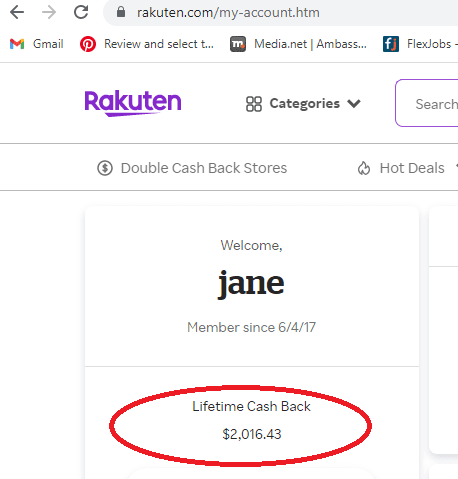
These stores pay Rakuten for sending them customers, and Rakuten shares that money with you. Simple as that.
I’ve personally earned over $1,000 just by shopping through Rakuten for things I was already going to buy anyway.
You can earn up to 40% cash back, and when you sign up, you’ll get $10 FREE after your first $25 purchase.
If you’re wondering how Rakuten compares to Ibotta, check out my Ibotta vs. Rakuten comparison here.
17. Don’t Buy It If You Can Make It Yourself
Before you buy something new, pause and ask yourself: Can I make this instead?
You’d be surprised how often the answer is yes. From homemade cleaning supplies and pantry staples to simple home décor, gifts, or even beauty products, DIY can save you a lot of money over time.
Making things yourself doesn’t have to be complicated or time-consuming. Even small swaps—like mixing your own all-purpose cleaner or baking instead of buying packaged snacks—can add up to real savings.
Plus, there’s something really satisfying about using what you already have and creating things yourself. It’s cheaper, often healthier, and usually more fun—especially if you get the kids involved.
You don’t have to DIY everything, but being a little more intentional about what you buy versus what you make can keep a surprising amount of money in your pocket.
I’ve been making a lot of my own pantry staples—and even some kitchen supplies—lately. You can check out all my homemade products here.
18. Buy Secondhand When You Can
You don’t have to buy everything brand new. Secondhand shopping can save you a ton of money.
Consignment shops, thrift stores, and vintage stores often have amazing deals on clothes, furniture, books, and household items.
For name-brand secondhand fashion, check out ThredUp and Poshmark. You can score high-quality items for a fraction of the original price.
19. Earn Free Gift Cards from Everyday Spending
Here’s a fun one: Drop is an app that gives you points every time you shop using your linked debit or credit card.
You can redeem those points for gift cards to places like Starbucks or Amazon—which is basically free money for doing what you already do.
20. Never Shop on an Empty Stomach
This tip may sound obvious, but it really works.
Unless we’re planning to eat out, my husband and I never grocery shop hungry. Shopping on an empty stomach almost always leads to impulse food buys, snacks we don’t need, or last-minute fast food.
Eat first. Shop second. Save money.
21. Unsubscribe from Tempting Emails
If your inbox is constantly tempting you with sales, it’s time to unsubscribe.
Stores are legally required to include an unsubscribe link at the bottom of their emails—use it. Fewer emails = fewer temptations = more money staying in your account.
22. Learn the Sale Cycles at Your Favorite Stores
Most stores rotate sales on a predictable schedule to keep inventory moving. Once you start noticing these patterns, you can plan ahead and save big.
Track your favorite store’s weekly ads for a few months and pay attention to when items you regularly buy go on sale. When the price drops, stock up enough to last until the next sale cycle.
A little planning goes a long way—and your budget will feel the difference.
Related: The Best Times to Buy Things to Save Money
23. Use a Smaller Shopping Cart
This one is simple but surprisingly effective.
Big carts make it easy to toss in extra items without thinking. The empty space almost invites impulse buys. Using a smaller cart—or even a hand basket—naturally limits how much you can grab and helps you stay focused on what you actually need.
Less space = fewer impulse purchases.
24. Skip Trendy Fashion Pieces
Is your closet full, yet you still find yourself saying, “I have nothing to wear”? You’re not alone—and the problem usually isn’t the amount of clothes you have.
It’s often how you shop.
If most of your wardrobe is made up of trendy pieces, they can be hard to mix and match. You might also be buying items without thinking about how they’ll work with what you already own—or you may be accidentally buying the same styles over and over.
Instead, try building your wardrobe around timeless, quality basics in neutral colors that are easy to mix and match. Learning how to create a capsule wardrobe can help you put together tons of outfits with just a few well-chosen pieces.
Not only will this save you money, but it’ll also free up closet space—and make getting dressed so much easier.
Frugal Living Tips to Save Money on Housing
25. Downsize (or Rethink) Your Living Space
If your home feels bigger than what your family actually needs, it might be worth asking yourself if what you’re paying for housing is truly worth it.
For some families, downsizing to a smaller home—or even moving a little farther from the city—can mean a much lower cost of living. In some areas, that also comes with lower property taxes, HOA fees, and utility bills.
If moving isn’t an option right now, there are still ways to lower housing costs. You might be able to negotiate your rent or refinance your mortgage to get a better interest rate (if you don’t own your home outright).
Downsizing can feel scary at first, but when done thoughtfully, it can save you a lot of money every month—and give you more breathing room in your budget.
26. Practice Preventive Maintenance
Preventive maintenance is all about stopping small problems before they turn into expensive ones.
This applies to your home, your car, your appliances—and even your family’s health. Being proactive is almost always cheaper (and way less stressful) than waiting until something breaks.
Here are a few simple preventive maintenance habits that can save you money:
- Check for leaks and fix them right away
- Make sure faucets aren’t dripping
- Keep gutters clean and clear
- Service appliances and air conditioners so they run efficiently
- Refinish or protect hardwood floors before they wear down
These small, regular checks can help you avoid bigger repairs that cost far more down the road.
27. Renovate Wisely
You don’t need a huge budget to refresh your home.
Before jumping into expensive renovations—like replacing flooring or bathroom tiles—see if a smaller update will do the trick. Sometimes, a fresh coat of paint or updated hardware is all it takes to make a space feel brand new.
DIY-friendly, low-cost upgrades can save you thousands while still maintaining—or even increasing—your home’s value.
Smart, simple changes often go a lot further than big, pricey projects.
Frugal Living Tips to Save Money on Utilities
28. Learn Simple Ways to Save Energy
There are so many small changes you can make that really add up when it comes to lowering your utility bills.
Simple habits like cleaning your A/C filters regularly, switching to LED light bulbs, batch cooking to cut down on stove and oven use, or hanging clothes to dry instead of using the dryer can make a noticeable difference.
Even something as easy as getting outside for a daily walk can help. Not only does it boost your mood and energy, but it also gives your home a break from running the A/C and other appliances nonstop.
Little energy-saving habits may seem small, but together, they can lower your bills and make your home more efficient—without feeling like a sacrifice.
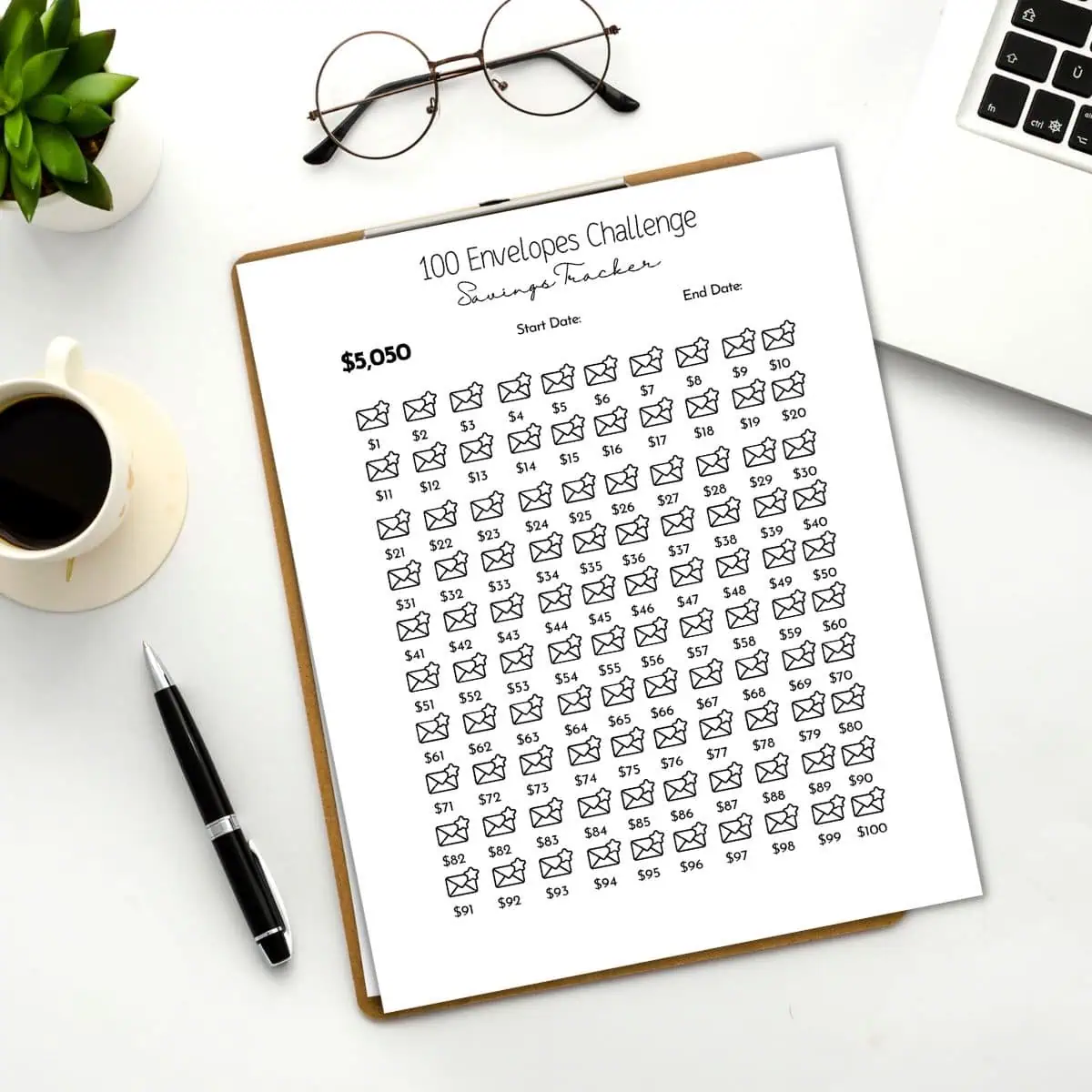
Need extra motivation when saving money?
Use this savings challenge printable to save $5,050! Check it out in our store!
29. Cut Unnecessary Subscriptions
Consider cutting unnecessary streaming subscriptions and using that time for something more meaningful. Fewer shows often means more time for rest, hobbies, or just being present with your family.
30. Let a “Robot” Save You Money
If cutting cable isn’t an option right now, don’t worry—there’s still a way to lower your bill.
Trim is a free, AI-powered financial assistant that can negotiate your cable or internet bill for you. It can also set spending alerts, track ride-sharing expenses, fight unwanted fees, and even help cancel subscriptions you no longer use.
Trim works with providers like Comcast, Time Warner, Charter, and many others—and it’s already saved users over $1 million in a single month.
The best part? It does the awkward negotiating for you.
You can download Trim for FREE here and start putting money back into your pocket without giving up cable.
31. Spend $0 on Internet (Yes, It’s Possible)
Believe it or not, there are legal ways to get internet access for free.
If you’re in the U.S., there are several zero-cost programs and options that can help you save at least $50 a month on internet service. I’ve learned a lot of helpful tips over the years, and they’re absolutely worth checking out—especially if you’re working with a tight budget.
Related Post: 30 Companies That Send You Products To Review For Free
How to Live Frugally and Save Money on Entertainment and Gifts
You might think that living frugally is all about forgoing the idea of having fun or not spending on entertainment. But it doesn’t have to be that way.
There are tons of ways to live frugally and still save money on things that make us happy!
32. Find Deals on Groupon
Entertainment is a discretionaryspending category that could take a hit if you want to learn how to live frugally and save money. But that won’t happenif you know where to look for cheaper entertainment.
Check out Groupon’s website o save up to 70% off many entertainment options such as visits to museums, spas, mini-golf, restaurants, and other venues in your vicinity. Plus, Groupon has coupons for lots of non-entertainment savings!
33. Switch to Cheaper (but Still Fun) Hobbies
Having fun doesn’t have to cost a lot of money.
If shopping, eating out, or activities that require expensive gear are eating into your budget, try swapping them for cheaper—or even free—hobbies. There are also plenty of hobbies that can actually make money, like blogging, flipping items from flea markets, or photography.
For family time, stick to simple, low-cost activities like going to the park, having a barbecue at home, heading to the beach, or even camping in your own backyard. Some of the best memories are made during the simplest moments.
34. Take Advantage of Community Classes and Facilities
If you’ve ever wanted to learn something new—like baking, dancing, or crafting—check out what your local community offers.
Many towns provide free or low-cost classes, plus access to parks, playgrounds, and sports facilities like tennis courts or basketball courts that are just waiting to be used.
A little exploring around town can lead to hours of fun without spending a dime.
35. Make Your Own Gifts
Making your own gifts is a beautiful way to save money—and make something truly meaningful.
Even if you don’t think of yourself as “crafty,” there are so many simple DIY gift ideas out there. You can make homemade soap, bake cupcakes or decorated cookies, pour candles, or sew something small like placemats.
A quick online search will give you endless inspiration. And the best part? Gifts made by hand are often the most treasured, because they’re filled with time, care, and love—not just a price tag. I have lots of ideas of homemade gifts here.
How to Live Frugally and Save Money on Banking and Finance
36. Automate savings
Pay yourself first and automate it. I believe this is one of the easiest and best frugal living tips to help you quickly build your savings and eliminate the temptation of spending money elsewhere. It really doesn’t matter how much you save per month. Just set aside any amount and before you know it, it will add up quickly.
37. Build an emergency savings fund
Emergencies happen. A strong storm could blow your roof off or your car could break down on the day you get fired. And there are even worse scenarios, such medical emergencies and death of a family member.
You need to have this fund so that when a real emergency happens, you won’t have to turn to your credit cards and waste money on interest!
Related: How to Build an Emergency Savings Fund with No Money
38. Invest your spare change
Did you know that there’s a micro-investing app that invests your spare change? I’ve been using this app called Acorns for a while now and have saved this much spare change from my daily/weekly purchases:
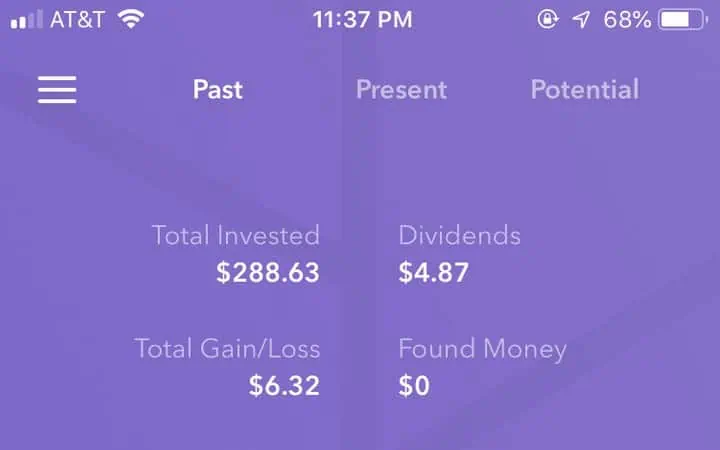
Acorns is the digital version of saving your spare change in a piggy bank,but you can earn while you save.
You can sign up with Acorns below and get $5 FREE!
Related: How to Invest and Make Money Daily
39. Use your spare time to make money
Time is money, too! Turn your free time into money by working on side hustles such as delivering lunches, pet sitting, blogging and answering surveys via Swagbucks or Vindale Research (up to $50 per survey!).
If you like writing, then you might want to use your free time blogging. It’s my favorite side hustle—it’s fun and you can literally start a blog in 15 minutes!
Other ways to make money on your free time:
- Virtual assisting - Make $25-$60 per hour. This mom makes $100 per hour as a virtual assistant.
- Proofreading - Make $48,000 per year online!
- Transcribing audio files - Make $15 per hour
- Selling items on Amazon- This mom here makes a six-figures income as an Amazon FBA seller!
- Become a flea market flipper.


40. Freeze your credit cards or do a spending freeze
It might be easier for you to control your spending if you stopped using your credit cards. Try putting away your credit cards or doing a spending freeze for a month or so. Check out my tips on how to do a no-spend challenge here!
41. Get your credit score for free
You don’t have to pay to get your credit report. Use Credit Karma—it’s free and secure!
42. Automate bills to avoid late payments
Automate your bills so they’re always paid on time. This can help you save money otherwise wasted on interest charges or late payment fees.
Other Frugal Living Tips to Save Money
43. Sell your clutter for cash
If you haven’t deep cleaned your home for a while now, you might not realize that there are treasures lurking in your closet, storage, and drawers. Yes, we’re talking about clothes, shoes, bags, or electronics that are still in mint condition no longer used.
Selling some of your stuff is a great way to reduce the clutter in your home, free up storage space, and make money. Sell your clutter for cash on Craigslist, Facebook Marketplace, or at a garage sale.
To sell old electronics such as tablets, or iPhone or CDs and DVDs, try using this free Decluttr app to sell them online for cash.
I also highly recommend Poshmark for selling name-brand fashion items such as bags, shoes, and clothes. You can download this free Poshmark app to start selling.
Related: 24 Best Websites To Sell Stuff Locally and Make Cash Quick
44. Rent out your extra space on AirBnb
Thrifty living is not just about not buying or spending less, but it’s also maximizing use of things you already have. If you have extra space in your house such as a finished basement or bedroom you can turn it into cash by posting it on AirBnb.
You can earn up to $100 a night per bedroom, depending on your location, and earn much, much more if you’re renting out a whole house!
45. Save money on accommodations
You can still enjoy your vacations and have fun while saving a couple of dollars by opting for non-hotel accommodations, such as in rental properties listed on Airbnb and booking.com .
46. Share a meal when eating out
Most, if not all, restaurants serve big portions and it’s often impossible for me to finish what I ordered. So, my husband and I usually just order one appetizer and main meal instead of ordering both for each of us. If we do order a dessert, we share it, too, saving us money and saving us from eating more unnecessary calories.
47. Cut gym membership
Paying for a gym membership is one expense that many people justify because it’s, after all, an investment for your health.
But according to research from Finder.com , 5.1 million Americans waste a total of $1.8 billion on gym memberships each year. And of those people who have active gym memberships, 43% get to the gym less than twice a week and 6.30% never use it.
If you don't use your membership that often, try exercising at home. It's free and saves you time and gas!
48. Always compare insurance policies
Shop for insurance policies every several months to see if other companies are offering lower premiums, then make the switch.
49. Use free money hacks
Did you know there are ways to get free money? It sounds unbelievable but it's true! You can get FREE money from cash back apps, sign-up bonuses or answering quick surveys.
To learn more about how to get money for free, I have a separate post here where I talk about my favorite free money hacks!
Related: How to Do a No-Spend Challenge
50. Fix it yourself
One of the best frugal money-saving tips that saves us thousands per year is learning how to become our own mechanic, carpenter, and plumber
Before we hire help to fix something, we YouTube it first or do a quick research online. You'll be surprised to find lots of free how-to videos and articles online to help you fix things at home.
A few examples of things we do ourselves:
- Plumbing issues
- Fixing our washer
- Fixing surfboards
- Car maintenance
- Fixing computers
- Fixing Christmas light bulbs
- Installing new doorknobs
- Installing floor tiles
Warning: As a reader points out, this may be a dangerous tip. And I do agree it is if you try to DIY something that requires professional help such as car maintenance and HVAC. We are only able to do these repairs because my husband has knowledge of HVAC and car maintenance.
For such repairs, I do encourage consulting a professional instead of YouTube if you have not done it before. However, for things like painting, fixing computers, gardening, cleaning gutters, and maybe installing tiles are things that you can do "safely" and learn from the internet.
More Money-Saving Tips!
Are you ready to live frugally and save money?
There are indeed SO MANY tips on how to live frugally and save money. Now you might be asking yourself, "Which frugal ideas should I start with?"
If you want to live frugally but meaningfully, start by determining the things in life that mean the most to you.
From there, you can start cutting back on things that mean the least. It’s not always an easy process to give up comfort and luxury, but at the end of the day, these efforts compound and contribute to a much larger goal – and everything will be worth it!
Do you have any frugal living tips and ideas? Share them in the comments below!
If you found this post helpful, I would be very happy if you shared it!
Bookmark this page or save this image below so you can refer back to it later.




Joann
You don’t need as many clothes if you have your own washer. My frugal living tip.
The One Income Dollar
Always looking for frugal tips and you seem to have alot of great ones here.
Jane
Hope you've found helpful tips for you. Thanks for stopping by!
Esther
Hi. Thank you for the invaluable information. I come from Africa though currently vacationing in USA. Another tip can save on gas and get to exercise is walking.
For laundry, a maximum load is more efficient because it saves on the detergent and electricity used.
Same goes for dish washers.
Are the any online job sites that cover Africa?
Jane
Hi Esther,
Thank you for stopping by! I hope you're enjoying your vacation in the US and I definitely agree with your tips on saving money on gas and detergent! These things add up quickly, too! I don't know of any job sites that cater to workers particularly from Africa but I know there are plenty of freelance sites open to remote workers from all over the world. I started working "online" using freelance sites before I moved to America and I also made good money through them. I don't know what kind of jobs you're interested in but I have a lot of articles here about making money online. You can find them here: https://thismamablogs.com/make-money/mom-jobs/.
Gail Buckley
Under "Fix It Yourself" please correct plumbing to plumbing. Thank you for some valuable tips.
Jane
Hi Gail! I did not notice that error. Thanks for letting me know! Thanks for stopping by!
Lala Vibes
Any new ideas? I kind of used most of them and still need more to meet ends. The difference might stand in the fact that I am a single mom living in Romania, Eastern Europe. Tips, anyone?
Brittany Clark
Great tips! I'm working on #20! Haha - I know that my cart usually has more in it if I shop before I actually eat!
Jane
YESSS! Thanks for stopping by! I love your site BTW. 🙂
Lisa
You forgot one of the best free resources: Use your public library, don't buy books, check them out, same for music and some movies.The library has a wealth of options, opportunities and resources...usually free.
Jane
Thanks Lisa! I def agree on this and saves you lots of money!
Rick
I find just about Anything I need Online
Jane
I agree!
gaito
more veggies less meat.:-) thank you on this.
Jhamar
A good read. Thanks for the tips
Joyce
My favorite way to save money is to use only one credit card with no annual membership fee. I purchase everything on this one card, pay it off monthly and receive points on purchases. I can see all purchases and analyze where my main spendings are and if necessary, cut back. This saves me money by not paying interest, annual fees and gives points to use for whatever I chose, usually free groceries. So much better than having many credit cards whit payments going out in all directions and makes for easier bookkeeping too!
Jane
I love your tip! Annual fees and interest do add up fast!
Claudia
I do this also. It is an important tool in my frugal lifestyle. I use free budgeting and planning software from our bank. Any purchases are automatically entered into the proper budget categories, which we have adapted to our needs.
Mohsin
Always looking for tips for frugal living, thank you for consolidating almost all of them 🙂
Emily
This is a great comprehensive list for anyone interested in frugal living. I was aware of only a few of these tips and I'm so excited to implement more of these to continue to save! Thank you for all of your hard work.
Jane
Hi Emily, thank you so much for dropping by! Good luck!
Jordan @ FIRE Your Own Way
Love the zero-waste week! It's shocking how much food just gets thrown out. I also do a "eat through the fridge and pantry" challenge every season - helps to keep the waste down.
Thanks for all the frugal tips 🙂
Jane
Hi Jordan, thank you! It's very helpful for me too! 🙂
g Fuel cans
Hey! This is kind of off topic but I need some guidance from
an established blog. Is it hard to set up your own blog?
I'm not very techincal but I can figure things out pretty quick.
I'm thinking about setting up my own but I'm not sure
where to begin. Do you have any points or suggestions?
Thanks
Jane
Hi! It is not difficult and you don't have to be a techie to start a blog. I was a real beginner when I started out and I had no blogging experience and no idea about many things blogging. But by reading resources online I was able to figure many things out. I'd recommend reading this guide here to help you get started: https://thismamablogs.com/how-to-start-a-blog-and-make-money/ . Good luck and let me know if you have any questions!
Ana
Great money saving tips! It does start with brown bagging lunches and watching out for the small expenses that add up. Thanks for the great list.
Jane
Thanks, Ana!
Daniel
This is something everybody should read. Especially the point about downsizing! So many people get locked into buying the most expensive products and luxuries, and it can be devastating to people with different financial situations. My parents started out with nothing when they immigrated to the US, and they only managed to get where they are by downsizing, working with what they had because they knew one day they could achieve all that fancier stuff.
It's really inspirational to me! You really outdid yourself here Jane!
Jane
Hi Daniel, I can relate to your parents' situation when they just moved here. I am an immigrant, too! When you move to another country, you can only take a few stuff with you. It's really about how to live with those few things, goals, and persistence to go through the initial challenges. I always believe it's possible to live more even with less stuff. It's all mindset. Thank you for reading!
Richi
Hi Jane,
You just seem to have covered up every point in this post. I love reading your blogs because of how detailed they are and how awesomely you make us relate with your own life. Keep going!
Jane
Hi Richi! I am such a huge fan of your blog, too! Thank you for stopping by! 🙂
Paige
We have never had cable, and I’m very happy about that.
We watch free stuff on the internet like YouTube. Even popular shows are streamed for free on their host channels. I don’t mind the ads as long as I don’t have to pay .
Alex Endrich
Another great post. I find that if you're intermittent fasting, you can skip breakfast and implement your brown bag lunches - you'll save a ton of money and lose some weight in the meantime! These are fantastic frugal tips!
I also find that if you're good with your spending - using a credit card that builds points will also work to saving you money in the long run. I have an Amex Nectar - this allows me to build points at my local grocery store with everything I spend, in turn saving me even more money in the long run. Plus earning a ton of points for spending the initial amount. Obviously don't go crazy and buy things you don't need - I just put everything I'd normally buy each month on it. Some cool information here- https://www.end-rich.com/save-for-a-house/
Mary Clausen
There are some really great thrift stores in my area & I’ve bought a lot of very nice clothes for a FRACTION of what I’d have paid at a mall.And I can feed my costume-jewelry habit (esp. earrings) for practically nothing.
Lisa @ Adapt Your Dollars
You included tons of great actionable frugal tips in your post! One way we save money in our house is by giving the kids haircuts ourselves. My husband shaves his head so we don't have to worry about paying for his haircut either! I opted for an easy to maintain style (long, blunt cut) to cut back on visits to the salon. I also stopped coloring my hair 3 years ago, making my hair very low maintenance (and low cost)! Nicely written and thought provoking post! Thanks!
Casa de Wherever
Appreciate your thoroughness, thank you Jane!
Your enlightening blog inspired me to create nine
hard-hitting yet hilarious frugal food videos including
this one on bartering.
https://youtu.be/2srWVsuuVSg
Bonsa Jebra
Here is the big problem. Your frugality opens your device to Spam ! All the hookups to get free money, products...TRACK YOU. so all you non-vaxxers who think the "chip" will find you, no it's all these programs you hook to. And GOOGLE listens to all your conversations too
Jane T
I really like your idea to sell your clutter. I have so much of that. I really need to get our home cleaned up and getting the clutter out will really help. I can even use the money I make and pay for my carpet cleaning in Fullerton. That would be so nice. When my home is clean I love being here, but when it isn't it feels overwhelming.
Dixie
3Tbs blue dawn & 2Tbs alcohol in 1qt water makes most awesome dish soap. I tried it & it works for EVERY greasy job and EVERY dried on, hard to get off kitchen job there is.
Virginia
Ok, here's the deal. In September 2024, we lost a huge portion of our income. Prior to that, I had been perusing Pinterest for ways to save money but didn't apply a lot of them. Well, here we are we have an income of $2300/ month. Our mortgage payment is $2261.71, doesn't much for anything else. Here's how we are surviving (mortgage payments are current). Ditched cable, second car, and paper products, went through my closet and am now am capsule dressing, the other clothes I was donating, am now selling. Tried renting out the mother-in-law apartment but too many weirdo's applied, so instead I had an indoor sale in December and just left the items in that space. I made some business cards, handed them out at sale and now have people calling to see if I have this or that. My merchandise comes from the free stuff section on Craigslist. Meal plan, budget, leftovers, and the recycling center (free paint, clean products) and Pinterest are my best friends. I did go to a food shelter, but there are people worst of than us. Never went back. Never had to be frugal and here I am and loving it.