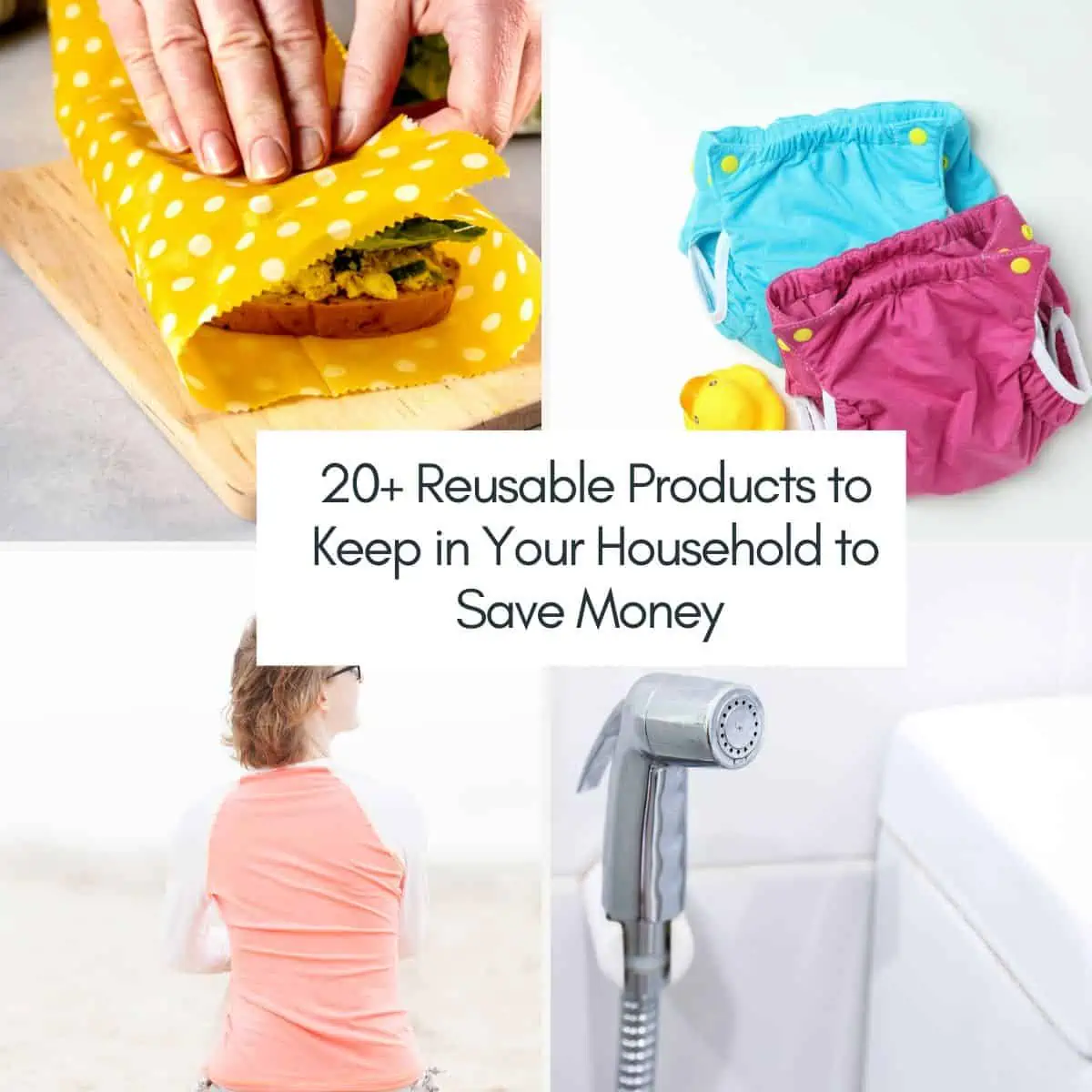
Cutting back on waste doesn’t have to feel overwhelming—or expensive. In fact, some of the smartest ways to live more sustainably can actually help you save money in the long run. By swapping out disposable items for reusable alternatives, you’re not only reducing your environmental footprint but also making more budget-friendly choices for your household.
Whether you’re just starting your eco-friendly journey or looking for simple upgrades to your daily routine, these reusable items are practical, easy to use, and surprisingly cost-effective. Here are 21 reusable essentials that will help you keep more money in your wallet while doing your part for the planet.
21 Best Reusable Products to Keep In Your Household
Table of Contents
1. Beeswax Wraps
I used to go through rolls of plastic wrap way faster than I’d like to admit—especially with leftovers and packed snacks for the kids. It felt convenient at the time, but it also meant constantly buying more and throwing away so much waste. Switching to beeswax wraps has honestly been one of the easiest eco-friendly changes I’ve made at home.
These wraps are made from cotton coated in beeswax, and they’re surprisingly versatile. I use them to cover bowls, wrap cut fruits, and even pack sandwiches. The warmth of your hands helps mold them into place, which still feels a little magical to me.
What I love most is how much money they’ve saved us over time. Instead of restocking plastic wrap every few weeks, I just wash the wraps with cool water, let them dry, and reuse them again and again. They’ve lasted months in my kitchen and are still going strong.
It’s such a small swap, but it makes me feel good knowing I’m cutting down on waste while also stretching our budget a little further.
The good news? It's so easy to make! Here's how I make it.
2. Produce bags
Reusable produce bags can save money because you keep using them when buying fruits and vegetables. Many of these reusable produce bags are mesh bags that may look small but expand considerably when storing your produce. Plus, these bags allow you to easily see the state of your fruits and vegetables, so you can use them up before they go bad.
3. Reusable Shopping Bags
With many places banning the use of plastic bags in groceries and shopping centers, it has become more practical, convenient, and eco-friendly to bring your own reusable grocery bags and shopping bags. Similarly, using reusable shopping bags also helps make shopping easy-breezy while promoting sustainability. Many of these tote bags are sturdy and fold nicely, so you can keep some in your purse and car and quickly grab them when you go grocery shopping.
4. Wool Dryer Balls
Simple things like dryer balls and dryer sheets can contribute to carbon footprint and clog landfills. A better and healthier alternative is reusable wool dryer balls made of natural wool. These can help save you money because they quicken drying time (hence, lessr electricity consumption) and soften fabrics, eliminating wrinkles from your clothes. Wool dryer balls are zero-waste products because they are biodegradable and decompose nicely when discarded.
5. Reusable Water Bottles
I used to think buying bottled water here and there wasn’t a big deal—just something convenient when we were out or running errands. But when I really paid attention, I realized how often I was reaching for it (and how quickly the cost added up). Not to mention the number of plastic bottles we were throwing away every week.
Switching to reusable water bottles has been such a simple but impactful change for our family. Now, I make it a habit to fill up our bottles before leaving the house, and I even keep an extra one in my bag just in case. It’s become part of our routine, like grabbing keys or checking for my phone.
What I love most is the long-term savings. Instead of spending money on bottled drinks, we’re just using what we already have at home—filtered water. Over time, that adds up to a noticeable difference in our budget. Plus, many reusable bottles are insulated, so drinks stay cold for hours, which is a bonus, especially on busy or hot days.
It may seem like a small switch, but it’s one of those everyday habits that really pays off—both for your wallet and for reducing plastic waste.
I highly recommend using insulated water bottles—they keep your drinks cold for hours and are surprisingly easy to clean, which makes them even more convenient for everyday use.
6. Reusable straws
Plastic straws are oneof the most common single-use plastics we use regularly. Thankfully, there's been a move to ban the use of plastic straws in many states, and some food establishments are already taking the initiative, too. But if you still prefer using straws, you could use reusable straws, which are more eco-friendly. There are plenty of options for reusable straws, from glass, silicone, and stainless steel to bamboo straws. Regardless of your choice, you can bet reusable straws are much better and safer than plastic ones.
Check out stainless steel reusable straws here.
7. Reusable Paper Towels
Many of us reach for paper towels when faced with stains on the countertop or dust on surfaces, but it's high time we make the swap to a reusable alternative. Although paper napkins are made of recycled paper, we still can't discount the fact that trees are cut down to produce them.
What is the better alternative? Reusable paper towels. You can use these reusable products to do anything you'd do with a paper towel\. But the main advantage of using reusable kitchen towels is that you can throw them into the washer and use them again!
8. Cloth Diapers
Here's the dirty truth about disposable diapers: they're made of toxic materials that can potentially harm humans and the environment. Disposable diapers are not biodegradable, so they pile up in landfills without disintegrating. Plus, the numbert of diapers babies go through canreally add up.
Buying reusable diapers can significantly reduce the amount of money you spend on diapers. Although the initial cost may be higher, the advantages of cloth diapers outweigh their financial expenses. They are made from organic materials, making them safe for your baby's delicate skin. Additionally, these diapers are adjustable, ensuring your child can use them as they grow.
Ready to make the switch? Check out these cloth diapers here.
9. Reusable Baking Mat
If you go through several pieces of parchment paper in the kitchen, you can stop buying the paperand invest in reusable baking mats. These baking mats are made of food-grade silicone, which is non-stick, non-toxic, and dishwasher safe. They can be used over and over again, which saves you money in the long run.
Additionally, they are more environmentally friendly than parchment paper, which is a disposable product. Baking mats are also easier to use than parchment paper. You don't have to worry about it slipping or tearing; you can simply wipe it clean after use.
Check out cheap baking mats here.
10. Reusable Cutlery
Yes, plastic cutlery is convenient, but it’snot exactly helping the planet. Instead of plastic flatware, invest in reusable versions that are more eco-friendly. You can take stainless steel or metal-made cutlery when you go camping, or purchase a bamboo cutlery set with a spoon, fork, and pair of chopsticks in a cute cloth bag. Keep a set in your bag and in your desk drawer, and bring it anywhere you travel to cut down on the use of unnecessary plastic.
11. Reusable Cotton Rounds
Cotton is also one of the most common single-use objects we use frequently. But little did we know that discarded cotton does not disintegrate on the ground and only adds to the stuff accumulating in landfills. The next time you do your skincare routine, reach out for reusable cotton rounds instead. Made of organic cotton, these cotton rounds are gentle on the skin. Plus, you can wash and dry them and use them again!
Check out reusable cotton rounds here.
12. Menstrual Cups
My fellow ladies can relate to how the number of sanitary pads used in a lifetime can add up. And like disposable diapers, these pads do not degrade, so they also contribute to the waste that ends up in landfills.
A more practical, cheaper, and eco-friendlier option is using menstrual cups. These cups effectively collect menstrual blood. Menstrual cups are soft and pliable, can be washed and sterilized, and could last years!
13. Coffee Tumblers
If you’re a coffee lover like me and want to cut back on disposable cups, investing in a good coffee tumbler is a simple but smart switch. I used to rely on takeaway cups all the time, but they add up quickly—not just in cost, but in waste too.
Most coffee tumblers are dishwasher-safe and come with insulated walls, which means your coffee stays hot (or your iced coffee stays cold) for hours. That alone makes them worth it, especially on busy days when you don’t get to finish your drink right away.
What I really love is that it feels like a small upgrade to my daily routine. Instead of constantly buying drinks in disposable cups, I can bring my own and even save money at some coffee shops that offer discounts for reusable cups.
It’s one of those practical investments that pays off over time—you get to enjoy your coffee, save a little extra, and help reduce single-use plastic and paper waste at the same time.
Check out these high-quality coffee tumblers.
14. Rashguard with SPF
When it comes to reusable products, we often think of bags, containers, and bottles. But did you know you can also save money by getting reusable apparel, particularly rashguard item with SPF, for your summer vacation? Yes, wearing a rashguard with sun protection helps you cut down on the use of sunscreen (although you still have to apply it on exposed areas).
Rashguards are made of a material that helps to block the sun's harmful UV rays, so you can stay protected from the sun without having to reapply sunscreen as often. This can save you money in the long run, as sunscreen can be expensive. Additionally, rashguards are made of a durable material that can withstand multiple washes so you can get a lot of use out of them.
15. Reusable nursing pads
New moms commonly leak breast milk, so nursing pads should always be part of their arsenal. But instead of using disposable pads, switch to reusable versionsthat you can wash, dry, and reuse. Not to worry–these reusable nursing pads are designed to be discreet, highly absorbent, and comfortable to wear,in addition to being eco-friendly and cost-effective.
16. Handkerchief
Are you still bringing tissues anywhere you go? Sure, many companies claim that their tissues are made of recycled material, but that still implies that they used natural resources to produce such disposable products. A small but significant action anyone can take to save trees from being cut down is to use a handkerchief instead of tissues. Whether you need to blow your nose, dry your tears, or clean up a small stain, handkerchiefs can be used, washed, and reused.
17. Lunch Box
Stop putting your lunch in a plastic bag or brown paper bag and switch to a reusable lunch box. There are plenty of sustainable options, from glass to stainless steel lunchboxes, or even more eco-friendly ones that are made of bamboo or wheat. You can even find lunchboxes that aren bento style so that you can put foods in their proper sections so they aren’t mixed up with come lunchtime.
18. Reusable Cooler Bag
Planning a picnic on the beach? Great! Grab a reusable cooler bag to store your food and drinks. Many people still use styrofoam coolers, but that's not helping the planet. You can also bring your reusable cooler bag to grocery stores when shopping for meat and other food items that need to stay cold during the trip home.
19. Reusable Toiletry Bottles
If you're planning a vacation and want to avoid bringing shampoo and body wash stored in huge plastic bottles, then you should invest in reusable toiletry bottles. These are small, travel-sized reusable bottles you can fill with your favorite shampoo and body wash. They quickly pass airport inspection and are easy to bring in your hand-carry or backpack.
20. Reusable Kitchen Towel
Paper towels are a convenient way to clean up messes, but they can be harmful to the environment. They are made from trees, which take a long time to grow. When paper towels are thrown away, they end up in landfills, where they take up space and release methane, a greenhouse gas. Switching to reusable paper towels can make a big difference. You can use them to clean up spills, wipe down surfaces, and remove stains. When you finish, you can wash them and use them again. This will help to reduce the amount of waste you produce and protects the environment.
21. Reusable Stainless Steel Razor
Another fantastic way to go plastic-free is to ditch your disposable plastic razor and opt for a stainless steel razor instead. These razors give a more precise cut and are less likely to cause razor burn. You can replace dull blades with new ones, so you don’t have to throw the entire thing away.
22. Bidet
Do you remember how people hoarded toilet paper at the onset of the pandemic? We didn't think toilet paper could become such a scarce commodity, but desperate times call for desperate measures, right? But toilet paper takes years to decompose, so it isn't the most eco-friendly option.
Instead, install a toilet bidet, which helps eliminate the need for toilet paper. Also, studies say bidets are more hygienic and sanitary than wiping with toilet paper.
Final Thoughts
From reusable bags and eco-friendly cutlery to cleaning cloths and reusable cotton rounds, there are so many options to go plastic-free. You don't need to make a total lifestyle switch all at once, but you can adapt these eco-friendly alternatives and reduce waste significantly over time.
Sure, plastic and disposable products offer convenience, but they have negative impacts on our planet, wildlife, and even our health. Switching to sustainable products is our contribution to reducing waste accumulation and pollution. Our collective efforts can mean so much in securing our planet's future, so don't think twice–make the switch today!