Can you really live comfortably on $1,500 or less each month? At first glance, it might sound impossible—especially when you factor in rent, groceries, gas, bills, and unexpected expenses. And if you're living in a high-cost area, the idea might feel even more daunting.
But I'm here to tell you that it absolutely can be done. When our family lived in Puerto Rico, we successfully managed a budget of $1,500 per month. I'll be honest—it wasn’t always easy. We had to stretch every dollar, get creative with our meals, and carefully track every expense. Yet, with the right mindset and a few smart strategies, we not only made it work but also discovered simple joys along the way.
In this article, I'll share practical, inspiring tips and strategies we used to thrive on a $1,500 monthly budget. By implementing these ideas, you too can gain control of your finances, maximize what you have, and learn to live well—even on less.
Understanding the Challenge: Reality Check
Table of Contents
Attempting to live on $1,500 per month can feel overwhelming, especially when you look at the numbers. According to the Bureau of Labor Statistics, the average household in the U.S. spends about $77,280 annually, or approximately $6,440 per month. A significant portion of this goes toward housing. In major cities, rent alone can consume most—or even all—of your budget. For example, a one-bedroom apartment in New York City averages over $2,900 per month, and in San Francisco, it can be even higher. That’s nearly double your entire monthly income—just to secure a place to live!
So, how do you make it work when housing costs keep climbing?
Start by taking a hard look at your living situation. If you’re in a high-cost city, getting a roommate, living with family, or house hacking—like renting out a room—can help cut your expenses.
These options might not be fancy, but they’re practical and can give you some much-needed breathing room. If you’re open to a bigger change, moving to a more affordable area could make a huge difference. With remote work on the rise, you might not even have to switch jobs.
Fresh, Inspiring Tips to Live on $1,500 or Less a Month
Whether you’re trying to make ends meet or simply want to live more intentionally, here are some fresh, inspiring tips on how to live on $1,500 or less per month—and not just survive, but thrive.
1. Rent a Room, Not a Whole Place
If rent is eating most of your income, consider renting a room instead of a full apartment. It might not be your dream setup, but it can save you hundreds each month—and still give you a space to call your own.
What to check out:
- Facebook Marketplace and Roomies.com—Both are great for finding local room rentals. You can filter by price, see photos, and message landlords or roommates directly.
- More affordable cities—In places like Wichita, KS, Toledo, OH, and Lubbock, TX, you can find rooms for $750/month or less.
It's a small shift, but it can free more of your budget for groceries, bills, and even savings.
2. Use a Bike or Walk Everywhere
One simple way to save money on a tight income is by using your car less. Walking or biking can help you cut back on gas, parking fees, and car repairs—plus, it’s a great way to stay active and enjoy the outdoors.
If you live in a bike-friendly city, getting around without a car can be much easier and safer.
Bicycle-friendly places to check out:
- Portland, OR, and Minneapolis, MN—Both have lots of dedicated bike lanes and city bike-share programs.
Not sure how your city ranks? Check out Bicycle Friendly America by the League of American Bicyclists to find out.
3. Work Remotely + Live Where It’s Cheaper
Living in a low-cost area while working remotely is a smart way to stretch a small income. Imagine paying $600 in Mississippi instead of $2,000 in LA—that’s $1,400 back in your pocket every month.
Remote job sites to check out:
- FlexJobs
- We Work Remotely
- Remote.co
This setup gives you the freedom to earn from anywhere, spend less, and keep more of your paycheck for what really matters.
3. Pantry Cooking + Meal Planning
If there’s one thing that’s really helped me and my family live on a tight income, it’s meal planning and cooking at home. I used to scramble at dinnertime, and honestly, takeout or last-minute grocery runs were eating up our budget fast.
Now, I take just a few minutes each week to:
- Check what I already have in the fridge and pantry.
- Plan simple meals around those items.
- Write out a small shopping list to fill in the gaps.
This little routine helps me avoid food waste, cut back on impulse buys, and keep our grocery spending under control.
I also try to buy in bulk when it makes sense—especially for things we use all the time, like:
- Pasta, rice, and oats
- Canned goods and sauces
- Frozen fruits and veggies
Stores like Aldi and Costco are great for this. They offer good prices on pantry staples that last a long time.
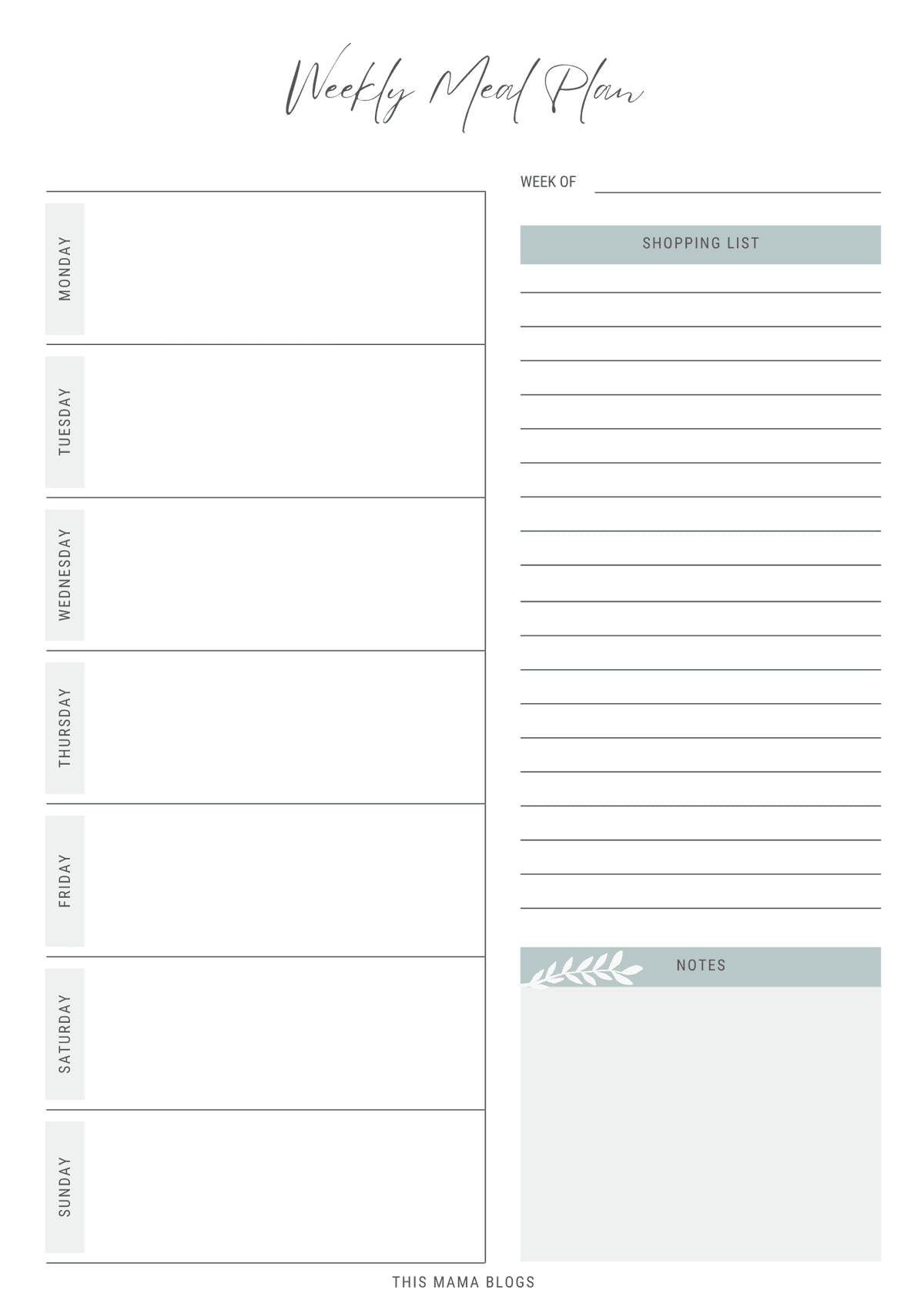
If you’re looking for easy, budget-friendly meals, I really recommend Budget Bytes—tons of great ideas there! And if you want help staying organized, don’t forget to grab my free meal planning printable below. A little planning truly goes a long way!
Want More Money-Saving Tips & Free Printables?
Join our email list and get exclusive tips, resources, and printable freebies delivered straight to your inbox. Sign up below and start saving more today!
4. Find Low-Cost Insurance Options and Prescription Help
Let’s be honest—when you’re living on a tight budget, taking care of your health can feel like a luxury. But it doesn’t have to be that way. There are so many resources available that can help you stay on top of your health without draining your wallet. You don’t have to do it all alone—and you definitely don’t have to skip care because of cost.
Check out these helpful resources to cut back on health and prescription expenses:
- Healthcare.gov—If you don’t have insurance through work, this is a great place to explore affordable plans. Depending on your income, you might qualify for low-cost—or even free coverage.
- Medicaid—If you’re eligible for Medicaid, you could get help covering doctor visits, hospital stays, prescriptions, and more, with little to no cost based on your income and family size.
- GoodRx, RxSaver, and SingleCare—These free websites and apps provide discounts on medications. Simply search for your prescription, present the coupon at the pharmacy, and enjoy significant savings—no insurance needed.
5. Lower Your Bills with Water and Electricity Conservation Hacks
Utility bills can quietly eat up your budget. The average electric bill in the U.S is around $140 a month. But with a few small changes, you can bring that number down and start saving right away.
Here are a few simple, doable hacks to help lower your power and water bills:
- Switch to ENERGY STAR appliances—If you’re in the market for a new appliance, look for the ENERGY STAR label. They use less energy and can lead to big savings over time.
- Unplug electronics you’re not using—things like chargers, TVs, and gaming systems still pull power even when they’re off. Unplug them when not in use to stop these “energy vampires” from driving up your bill.
- Wash your clothes in cold water—it gets the job done just as well and uses a lot less energy than hot water.
- Turn off lights and fans when leaving a room—a quick switch-off here and there adds up more than you think.
- Fix leaks and drips—A dripping faucet might seem like a small thing, but it can waste a lot of water over time and even drive up your bill if it’s hot water. Fixing leaks is an easy way to save!
Living on $1500 or Less: A Sample Monthly Budget Using the 50/30/20 Rule
If you’re living on $1,500 a month, budgeting might feel tight—but it’s 100% possible with a simple plan. The 50/30/20 method is one of my favorite ways to stay on track because it’s easy to follow and flexible.
Here’s how it breaks down:
- 50% Needs
These are your must-haves—things you can’t live without.
Examples: housing, groceries, basic utilities, and transportation
- 30% Wants
These are the nice-to-haves—the extras that make life fun.
Examples: eating out, Netflix, shopping, and little splurges
- 20% Savings or Debt
This is for building your future and paying down what you owe.
Examples: savings, emergency fund, retirement, and extra debt payments
Sample Budget
Below is a sample monthly budget following the 50/30/20 rule:
️50% for Needs : $750
| Item | Estimated Cost |
| Rent(shared/small unit) | $350 |
| Utilities (Electricity, Water, Gas) | $200 |
| Groceries | $350 |
Total: $750
30% for Wants : $450
| Item | Estimated Cost |
| Dining Out & Coffee | $150 |
| Streaming & Subscriptions (Netflix, Spotify, etc.) | $50 |
| Hobbies & Entertainment (Games, books, movies) | $100 |
Total: $450
20% for Savings and Debt: $300
| Item | Estimated Cost |
| Emergency Fund/Investment | $200 |
| Debt Repayment (Credit card, loans) | $100 |
Total: $300
Addressing High-Cost Living Areas
Living in an expensive city like New York, San Francisco, or basically anywhere in California on $1,500 a month? Let’s not sugarcoat it—that money won’t go far. Rent alone could take the whole check (and then some). But don’t worry—there are ways to stay afloat while you figure things out. It might not be glamorous, but small steps can go a long way.
If you’re in this spot, here are some practical options to consider:
1. Move in with family or friends
This is the quickest way to slash expenses if rent is too high. If you’ve got someone who’s willing to take you in—even just for a little while—say yes. Offer to chip in on food or utilities, and focus on saving up or finding more stable footing.
2. Consider RV or van living
Living in an RV or converted van has become popular to those trying to ditch rent. But it’s not always as simple (or cheap) as it looks on YouTube.
Pros:
- No rent
- You can live almost anywhere
- Downsizing forces you to live with less (which can freeing)
Cons:
- Startup costs (you’ll need a decent van or RV)
- Gas and repairs add up
- Cramped space
- You’ll need safe, legal places to park
If you already own a van or a camper, this might work short-term—but if you’re starting from scratch, you’ll probably need more funds to get going. It’s possible, but takes planning.
3. Get a side hustle
A side hustle can be a lifesaver when living on a tight budget. Whether it’s freelance writing, pet sitting, driving for a rideshare service, or selling items online, even a small additional income can significantly ease financial stress. Not only can this extra cash help cover necessities, but it can also give you a little breathing room to enjoy small pleasures or put something aside for emergencies.
Platforms like TrustedHouseSitters and Housesitter.com connect you with homeowners who need someone to care for the space or pets. In exchange, you often get to stay there for free.
Looking for a More Flexible and Stable Job?
If you’re searching for a reliable way to find remote, part-time, or flexible jobs, check out FlexJobs. It’s a trusted platform that specializes in curated, high-quality job listings. Even better, you can try it out with a free trial—making it risk-free to explore your next career move!
4. Apply for housing assistance
If your income qualifies, check out the Section 8 Housing Choice Voucher Program. This program helps cover rent in both public and private housing. It may take time to get accepted, but it’s worth applying if you need stable housing long-term.
Also, look into local non-profit housing groups and state programs that may offer shorter waitlists.
An income of $1,500 a month in a high-cost area won’t buy you a luxury lifestyle—but with a little creativity and grit, you can make it work.
Living on a Low Income Doesn’t Mean You’re Falling Behind
Living on a modest income—say $1,500 a month or less—can be challenging and sometimes feel limiting. But it doesn’t mean you’re doing life wrong. It means you’re making the most of what you have. And that, in itself, is something to be proud of.
Whether your financial situation is temporary or part of a longer journey, a meaningful and fulfilling life is still absolutely within reach. Simplicity doesn’t mean scarcity—it means living with purpose, appreciating the small moments, and finding joy in what truly matters.
If you’re walking this path, know this: you are not alone. You’re not falling behind. You are resilient, resourceful, and doing what it takes with grace and courage.
Have tips or experience to share? I’d love to hear from you in the comments. Your story could inspire someone else who’s just starting this journey.